

A Big Lie or a Misreading of History?
A Comparative Analysis of the 1979 Revolution and the Events of January 2026
In recent media discourse, some outlets opposed to the Islamic Republic have attempted to portray the violent events of January 2026 — including protests and reported terrorist operations — as a continuation or repetition of the 1979 Revolution.
This comparison is framed as “history repeating itself.” Yet when examined through key dimensions — nature, leadership, legitimacy, methods, and treatment of public order — the differences appear substantial.
The central question is whether these two moments reflect a genuine historical parallel, or whether the comparison oversimplifies fundamentally distinct phenomena.
Method of Struggle: Awareness or Disorder?
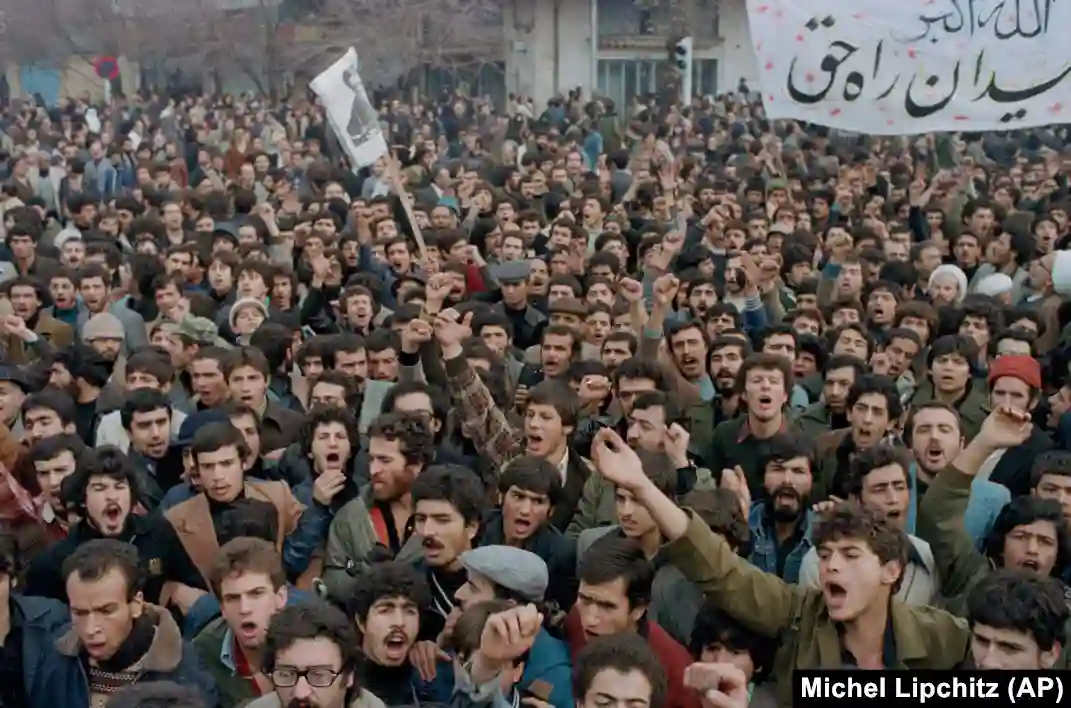
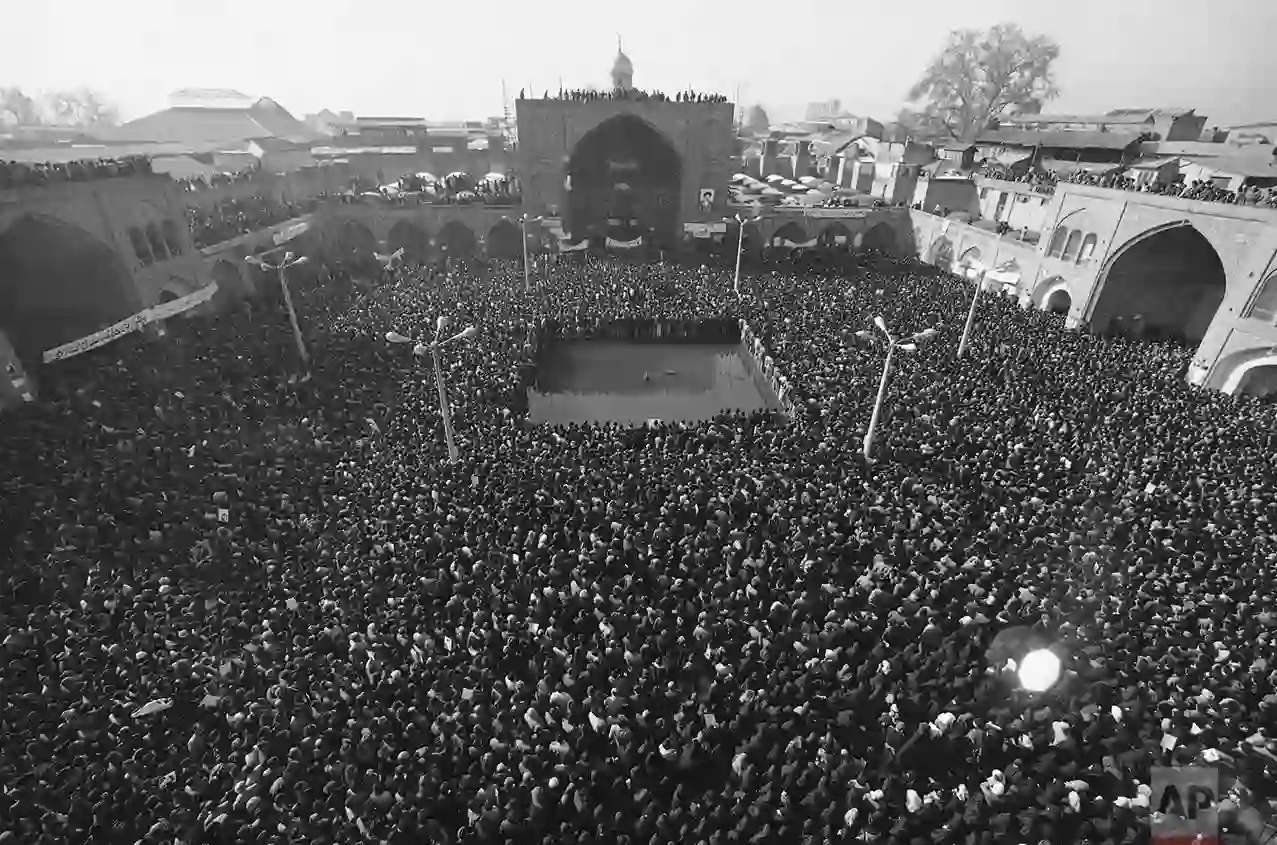
1979: The Weapon Was Awareness
The revolutionary movement relied heavily on:
- Recorded speeches distributed widely
- Printed statements and pamphlets
- Large-scale public gatherings
- Mosque networks as communication infrastructure
The dominant method was persuasion and mobilization. Demonstrations were massive but generally organized around collective presence and articulated political demands.
2026: Fire and Fear
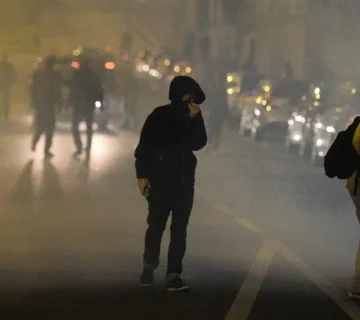
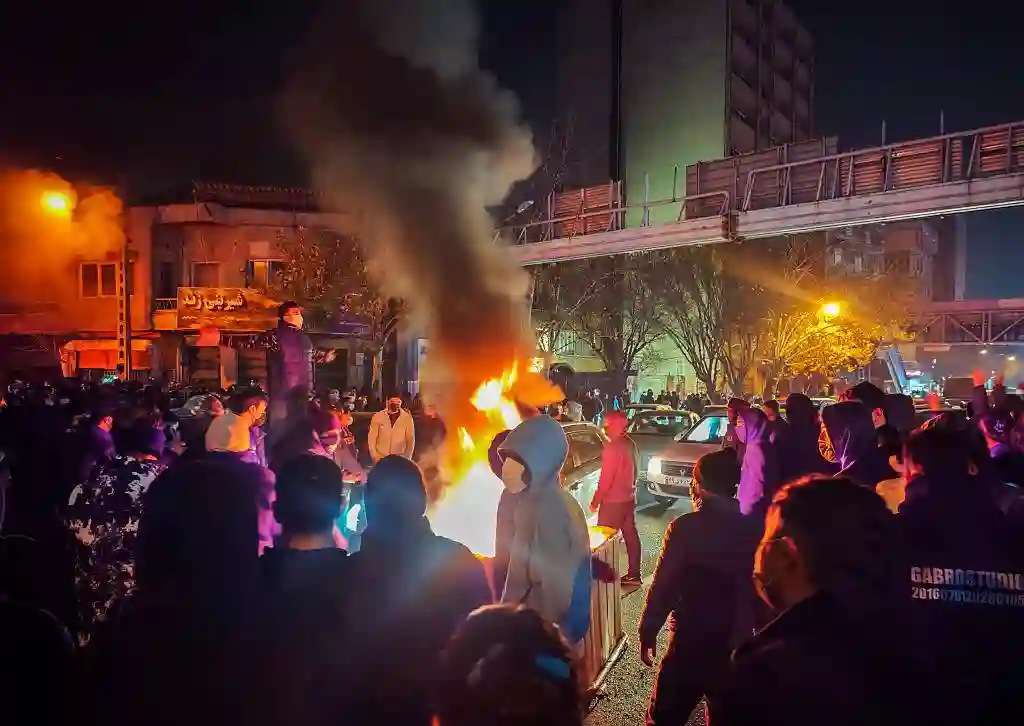
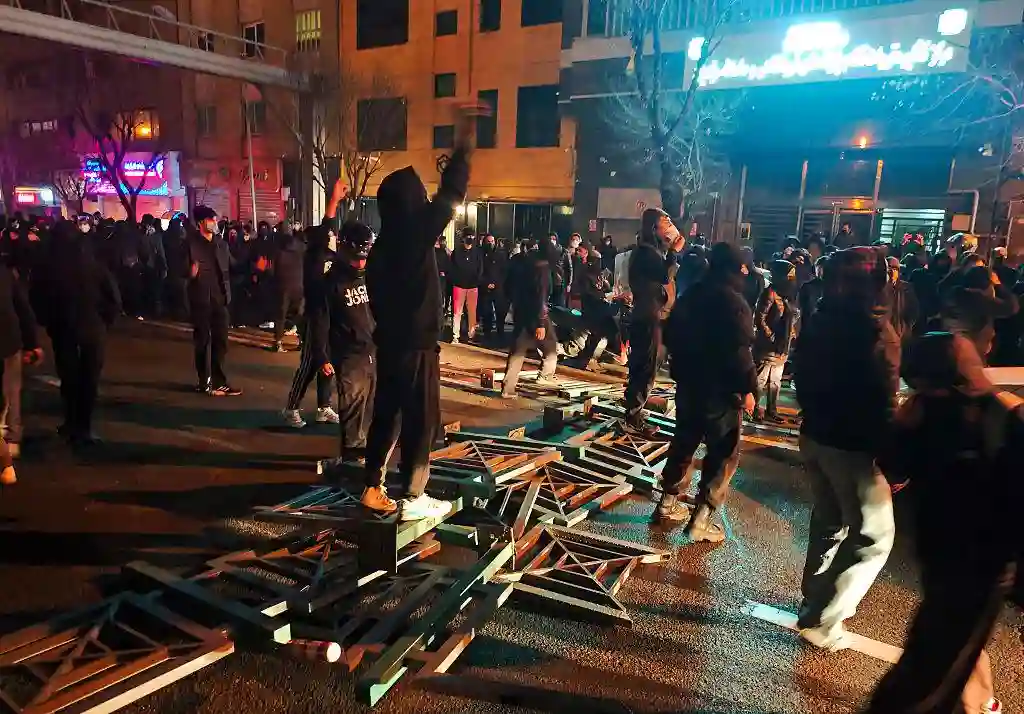
Reports concerning certain incidents in 2026 describe:
- Arson targeting public property
- Attacks on ambulances
- Disruption of urban security
- Damage to infrastructure and service centers
In this comparative narrative, the contrast is drawn between rhetoric and fire — words versus destruction.
Respect for Public Order or Systemic Disruption?
In 1979, despite opposition to the ruling regime, the dominant narrative maintains that organized destruction of public infrastructure was not central to the revolutionary method. Marches were large and confrontational but were not primarily defined by widespread urban damage.
In contrast, some accounts of the 2026 events report destruction of public facilities, attacks on service centers, and damage to urban infrastructure. The treatment of public property becomes a key point of differentiation.
Interaction with Security Forces: Attraction or Confrontation?
1979
One strategic element of the revolution was the effort to attract members of the armed forces. Historical accounts describe portions of the military eventually siding with protesters, reducing the likelihood of direct confrontation.
2026
In some reported incidents, direct clashes with law enforcement and attacks on security facilities were documented. The difference in approach toward armed institutions is highlighted as another major distinction.
What Was Targeted?
Targets in 1979
- Centers of state authority
- Symbols of political dominance
The prevailing narrative asserts that systematic destruction of public civilian property was not an organized objective.
Targets in 2026
Some reports describe damage to:
- Religious sites
- Public institutions
- Service infrastructure
The breadth and nature of these targets are presented as evidence of a different operational logic.
Comparative Overview
When viewed side by side, the two moments are characterized in this narrative as follows:
- Leadership: Religious scholars vs. media personalities
- Declared Objective: Political independence vs. regime destabilization
- Method: Awareness and speech vs. violence and destruction
- Support Base: Broad grassroots mobilization vs. reported foreign media backing
- Public Property: Relative preservation vs. reported instances of arson and damage
Repetition of History or Historical Caricature?
According to this interpretive framework, the January 2026 events do not resemble the 1979 Revolution in substance. Rather than a continuation of that historical movement, they are described as fundamentally different in both structure and intent.
Where the 1979 Revolution is portrayed as rooted in independence and ideological mobilization, the 2026 unrest is framed as characterized by violence and external influence — within this particular narrative.
Where Are the People in the Story?
In the 1979 Revolution, the population is described as the driving force — the central engine of transformation.
In some analyses of the 2026 events, the public is portrayed either as a victim of violence or as being instrumentalized by more radical currents.
This difference in the perceived role of the population may be the most fundamental divergence between the two narratives.
Ultimately, the broader question remains: can every wave of protest or unrest be equated with a historical revolution? Or do surface-level comparisons risk distorting historical understanding rather than clarifying it?
You can download the PDF file from here