

Spontaneous Uprising or Engineered Crisis?
An Analysis of the January 2026 Events Based on Non-Iranian Sources
The events of January 2026 have been interpreted through sharply different lenses. Some describe them as organic domestic unrest driven by economic hardship and political frustration. Others frame them as the culmination of a coordinated external strategy.
This analytical framework advances the second interpretation: that the unrest represented the peak of a multidimensional “hybrid warfare” campaign involving military, economic, cyber, political, and informational components.
Whether one accepts or disputes this thesis, it reflects a narrative that attempts to connect disparate developments into a single operational arc.
Dissecting a Hybrid War Framework
Within this perspective, the January 2026 protests were not viewed as isolated demonstrations. Instead, they are described as the convergence point of multiple coordinated vectors:
- Economic warfare
- Cyber operations
- Intelligence and psychological operations
- Political pressure
- Direct or indirect military action
The argument suggests that these dimensions were synchronized to produce cumulative destabilizing effects.
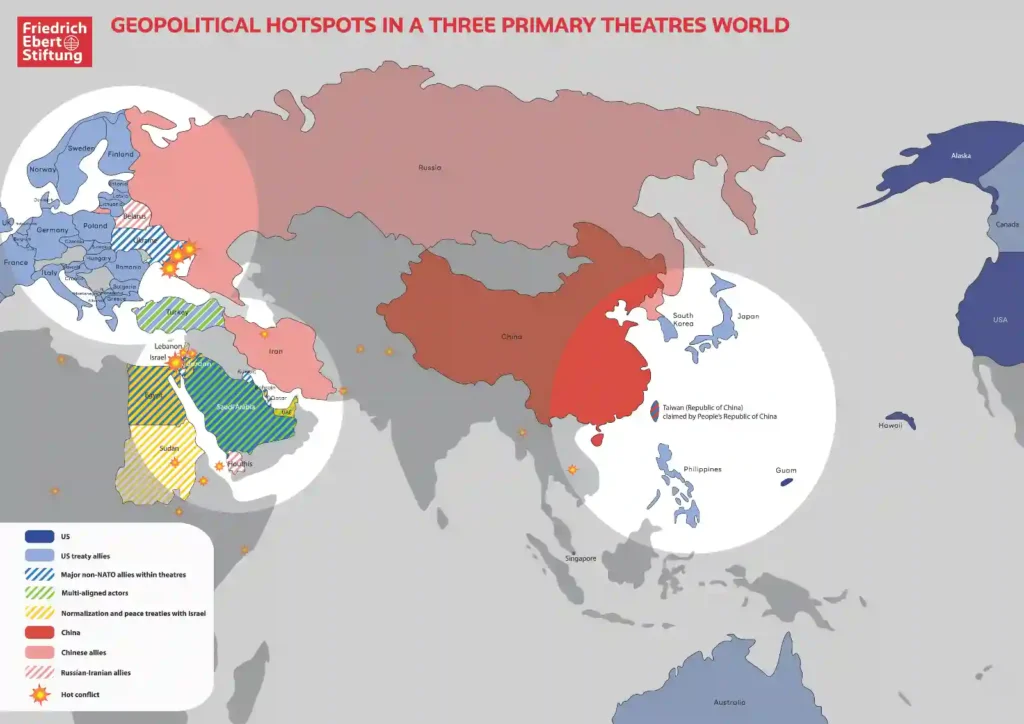
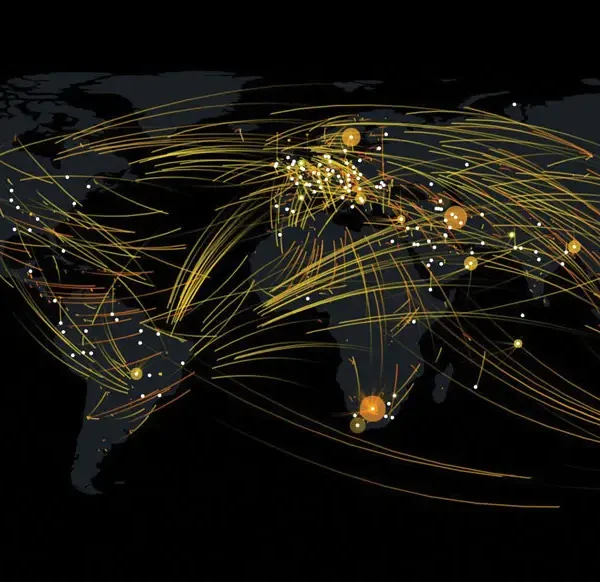
Vector 1: The Military Prelude — “Midnight Hammer”
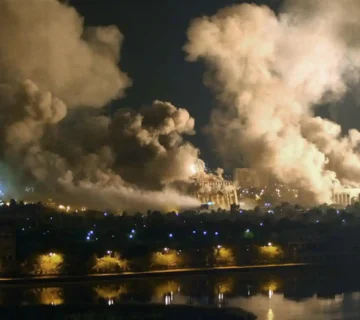
According to this narrative, in June 2025 the United States and Israel conducted a direct military campaign targeting strategic Iranian infrastructure.
Reported elements of the operation included:
- Deployment of over 125 U.S. aircraft
- Use of GBU-57 Massive Ordnance Penetrator (MOP) bunker-buster bombs
- Strikes on facilities identified as Fordow, Natanz, and Isfahan
The interpretation presented in this framework is that these strikes significantly damaged key nuclear-related infrastructure and signaled a shift from indirect pressure to overt military engagement.
The broader claim is that the operation set the stage for subsequent economic and political destabilization.
The Economic Shock: Currency Collapse After the 12-Day War
Following the reported 12-day conflict, economic turbulence intensified.
Key data points cited in this narrative include:
• An estimated $6 billion cost to Israel
• The Iranian rial reaching historic lows in January 2026
• Exchange rate estimates reportedly reaching 41 million rials per U.S. dollar
Within this analytical model, currency collapse is framed not as incidental, but as a direct downstream effect of military pressure compounded by sanctions and psychological warfare.
Vector 2: Political Framing — The “Maximum Support” Doctrine
The alleged political component includes reference to U.S. legislative initiatives such as the “Maximum Support Act” (H.R. 2614).
Key provisions cited in this context include:
• Formal alignment of U.S. policy toward regime change
• Expansion of uncensored internet access
• Authorization to seize Iranian state assets
• Financial support mechanisms for opposition groups
Supporters of the hybrid warfare thesis interpret such measures as institutionalizing political engineering.
Critics argue that legislative language does not necessarily translate into coordinated destabilization operations.
Direct Threat Narrative: Statements from U.S. Leadership
A January 2026 quote attributed to Donald Trump is frequently cited:
“If Iran targets and kills peaceful protesters, the United States will come to save them. Our military is locked and loaded.”
Within this framework, such rhetoric is interpreted as signaling conditional readiness for escalation.
Others view it as deterrent posturing rather than operational planning.
Vector 3: Israel’s Covert Dimension — “Predatory Sparrow”
Cyber operations attributed to Israel’s Unit 8200 are described as targeting financial and infrastructure systems. Alleged objectives included:- Disruption of banking services
- Destruction of digital financial assets
- Interference with fuel distribution systems
Financial Paralysis: Dual Strikes
Two specific incidents are frequently referenced: Strike One: Bank Sepah Cyberattack- Temporary suspension of banking services
- Disruptions in salary payments for military personnel
- Reports of $90 million in digital assets allegedly destroyed
Vector 4: Breaking Information Control — Starlink
The activation of Starlink satellite internet services inside Iran is cited as another vector. Reported estimates suggested between 20,000 and 100,000 active terminals. The U.S. Treasury’s General License D-2 expanded exemptions for communication technologies. Elon Musk’s statement — “The beams are on” — became emblematic in this narrative. In the hybrid warfare interpretation, open satellite connectivity is viewed not simply as technological access, but as a strategic tool for information flow and protest coordination.Vector 5: Political Engineering and Coalition Building
Reports of meetings between U.S. and Israeli leadership in late 2025, along with public support for opposition figures such as Reza Pahlavi, are presented as evidence of coordinated political backing. Slogans such as “Make Iran Great Again (MIGA)” are cited as part of symbolic mobilization efforts. Whether symbolic endorsement equates to structured regime engineering remains a point of debate.Field Operations and Psychological Amplification
Allegations of intelligence infiltration, espionage arrests, and targeted executions are incorporated into the broader narrative of psychological warfare.
Media coverage is described as amplifying unrest dynamics, turning localized incidents into national flashpoints.
The framework suggests that narrative acceleration is as significant as physical disruption in hybrid conflict.
Mapping the Comprehensive Intervention Model
When combined, the alleged vectors form a multi-domain intervention model spanning:
- Military pressure
- Policy and sanctions
- Cyber-financial disruption
- Technological connectivity
- Political signaling
Actors identified in this model include:
- The United States
- Israel
- External opposition networks
The thesis posits synchronization across these domains rather than isolated actions.
Nationwide Unrest with External Accelerators
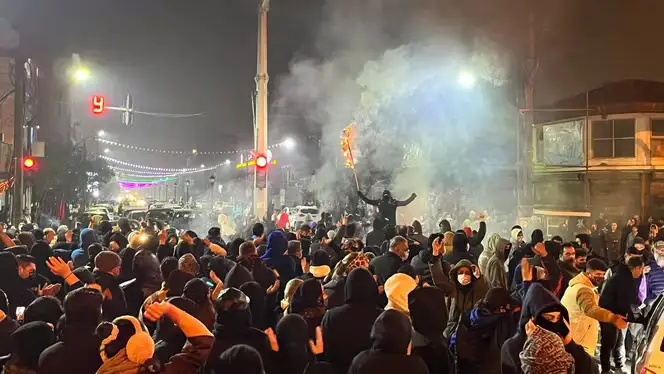
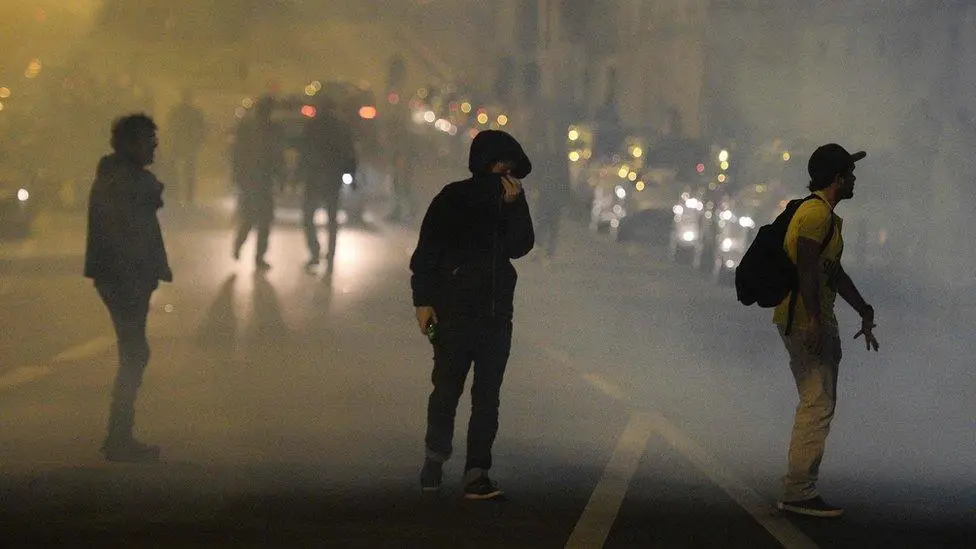
According to UN and human rights reporting, protests spread to over 20 provinces.
Reported figures include:
- 343–375 fatalities
- Thousands of arrests
Within the hybrid warfare interpretation, external accelerators intensified preexisting grievances rather than creating them from nothing.
Conclusion: Protest as Battlespace
This analytical model concludes that the January 2026 events were not purely domestic unrest but a theater of multi-vector hybrid confrontation. However, a critical analytical distinction remains necessary:- Did external actors exploit internal vulnerabilities?
- Or did internal dynamics drive events independently, with external rhetoric merely reacting?
You can download the PDF file from here