


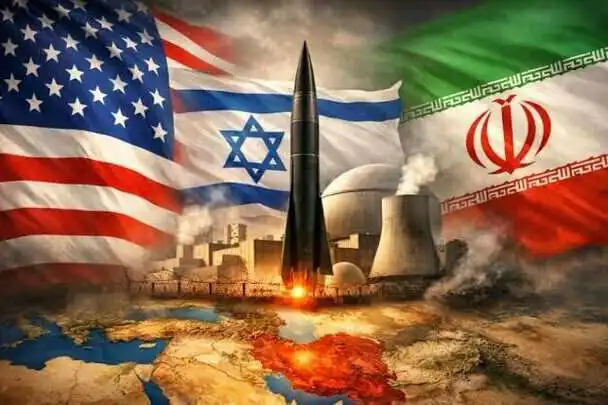
A report published by the Royal United Services Institute (RUSI) on the first 16 days of the war provides details that offer a more precise understanding of how the attacks were carried out and how military assets were distributed during the conflict. The data suggests that the real picture of the battlefield, in some cases, differs from what is commonly perceived in public opinion.
One notable point in the report is the share of short‑range surface‑to‑surface missiles in the attacks. According to the data, 18% of the offensive munitions used against Iran were of this type—weapons such as HIMARS, ATACMS, and PrSM, which are launched from ground platforms. Their range allows them to strike targets inside Iran when fired from areas relatively close to the country.
From a military‑geographical perspective, such systems—if deployed in the Persian Gulf region—could launch strikes toward targets inside Iran from countries such as Kuwait, the UAE, Bahrain, and Qatar.
As a result, when this data is examined across the scale of the overall operation, a notable conclusion emerges: around one‑fifth of the attacks carried out against Iran originated from the vicinity of these Gulf sheikhdoms.
This point is significant because many of these countries have officially stated that they did not participate in attacks against Iran. That said, this issue is separate from questions such as providing air bases, airports, or logistical infrastructure, which can serve a supporting role in military operations.
Fighter Jets as the Backbone of the Attacks: Statistics Point to a Shift in the Pattern of Warfare
However, the more significant part of the report concerns the primary method of attack. Contrary to the common perception that the core of the operation relied mainly on heavy missiles or long‑range strategic strikes, the data shows that around 60% of the attacks were carried out by fighter jets using air‑to‑ground missiles and munitions.
These weapons are typically launched from relatively long distances, allowing aircraft to strike their targets without entering the most dangerous range of enemy air‑defense systems. In effect, the main pillar of offensive operations during this phase of the war has been combat aircraft equipped with precision stand‑off munitions.
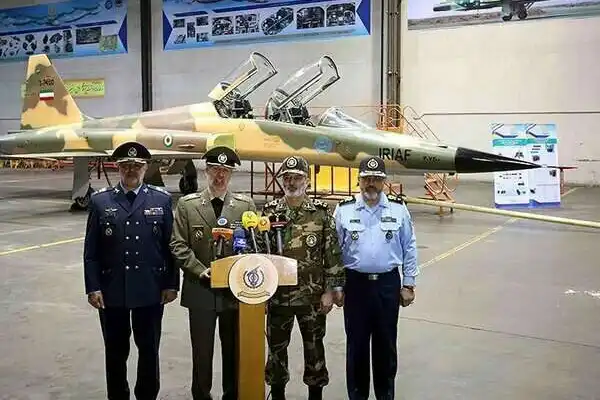
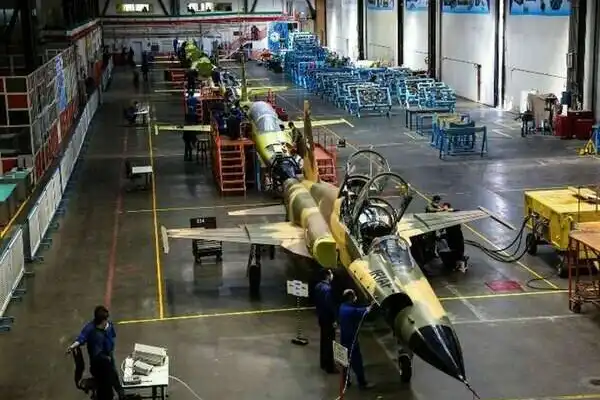
The Dominance of the Defensive Burden on the Battlefield: An Offense‑to‑Defense Ratio of 1:2
Alongside this, the RUSI report highlights an important point regarding the balance between offensive and defensive operations. According to the data, the offense‑to‑defense ratio was roughly 1:2.
Such a ratio indicates that during the conflict, a significant portion of resources and operational energy was devoted to defensive efforts and countering incoming threats. In other words, the operational cost and pressure on the defensive side were extremely high, with a large share of the opposing side’s capabilities being spent on intercepting and neutralizing attacks.
The Minimal Role of Strategic Bombers on the Battlefield
Another section of the report addresses the role of long‑range bombers. Contrary to the perception that strategic aircraft such as the B‑52 may have been widely involved, the data indicates that only about 1% of the munitions were delivered by such bombers.
This suggests that the role of these heavy strategic aircraft in this phase of the conflict was very limited, with the main operational burden carried by other platforms.
In the maritime domain, the report’s data also reveals an important point. According to the information, about one‑third of the cruise‑missile strikes were launched from submarines and naval vessels. The use of sea‑based platforms to launch cruise missiles is a common method in modern military operations, as these platforms offer high mobility and significant stealth, allowing them to approach operational areas without attracting attention and strike targets from there.
However, perhaps the most significant strategic point raised in the report concerns the status of Israel’s defensive stockpiles. According to the assessment presented, around 80% of Israel’s air‑defense reserves were consumed during the course of these clashes. From a military perspective, this figure is highly notable, as it indicates how intense the volume of incoming threats and attacks was within a relatively short period of time, and the degree of pressure placed on defensive systems.
Overall, the data published by RUSI provides a clearer picture of the actual structure of this conflict: from the role of surface‑to‑surface missiles launched from the Persian Gulf region, to the central role of fighter jets in conducting strikes, the significant use of sea‑launched cruise missiles, and the heavy pressure placed on air‑defense systems.
Taken together, this information helps reveal the operational dimensions of the war in greater detail and offers a more comprehensive understanding of how the attacks were carried out during this period.