

Operational Plan: “The Pincer Strategy”
The Architecture of Economic Warfare and Destabilization for Regime Change
An Analysis of Four Case Studies: Chile, Iraq, Libya, and Venezuela
Over the past four decades, a recurring pattern has emerged in the United States’ confrontation with governments it deems antithetical to its interests. This pattern is neither a mere economic sanction nor simple political support for domestic opposition; rather, it is a synchronized fusion of comprehensive economic pressure and targeted political destabilization. This approach can be termed the “Pincer Strategy” because, much like a pair of pincers, it exerts dual-axis pressure on the target nation: crushing the economy from the outside while eroding political legitimacy from within.
The stated objective is typically “behavioral change” or “regime change.” However, the experiences of the four case studies reveal that the consequences often transcend mere political shifts, resulting in profound economic collapse, social fragmentation, and long-term systemic insecurity.
Operational Logic: From Economic Pressure to Political Crisis
At the core of this strategy lies a clear causal chain:
Severe economic pressure → Social discontent → Crisis of political legitimacy → Intervention or power transition
This process is usually gradual, but it carries two constant features: first, economic pressure begins preemptively; second, it is never left on its own—it is reinforced through political and media mechanisms.
First Arm: Economic Warfare
Economic warfare weaponizes financial and banking tools. These include freezing foreign reserves, sanctioning the central bank, restricting oil exports or essential resources, and cutting access to global financial networks.
The consequences unfold in a cascading sequence:
- Sharp reduction in access to foreign currency
- Collapse of the national currency’s value
- Rising inflation or hyperinflation
- Erosion of purchasing power
- Weakening of the middle class
In many cases, the middle class—traditionally the stabilizing force in society—gradually shrinks or collapses. This shift destabilizes the political balance.
Second Arm: Political Destabilization
In parallel with economic pressure, the political dimension is activated. This includes financial and media support for the opposition, amplifying the government’s inefficiencies, and organizing protests. At this stage, economic problems are presented as evidence of “structural incompetence,” and livelihood pressure is transformed into a political demand.
In practice, economic warfare creates the groundwork for discontent, while political and media networks channel and direct that discontent. This synergy between the two instruments turns the strategy into a multilayered pressure system.
Respect for Law or Lawbreaking?
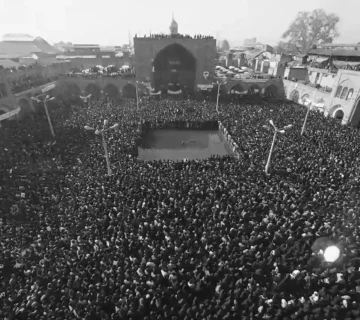
In 1979 (1357 SH), despite widespread opposition to the ruling structure, the official narrative insists that public property and social order were not targeted for organized destruction. The protests took the form of large demonstrations, and widespread infrastructure damage was not the central focus.
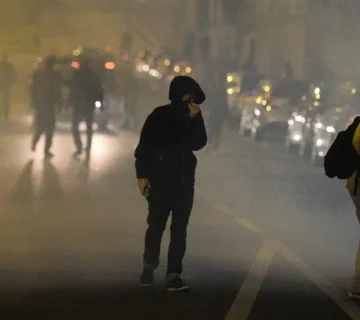
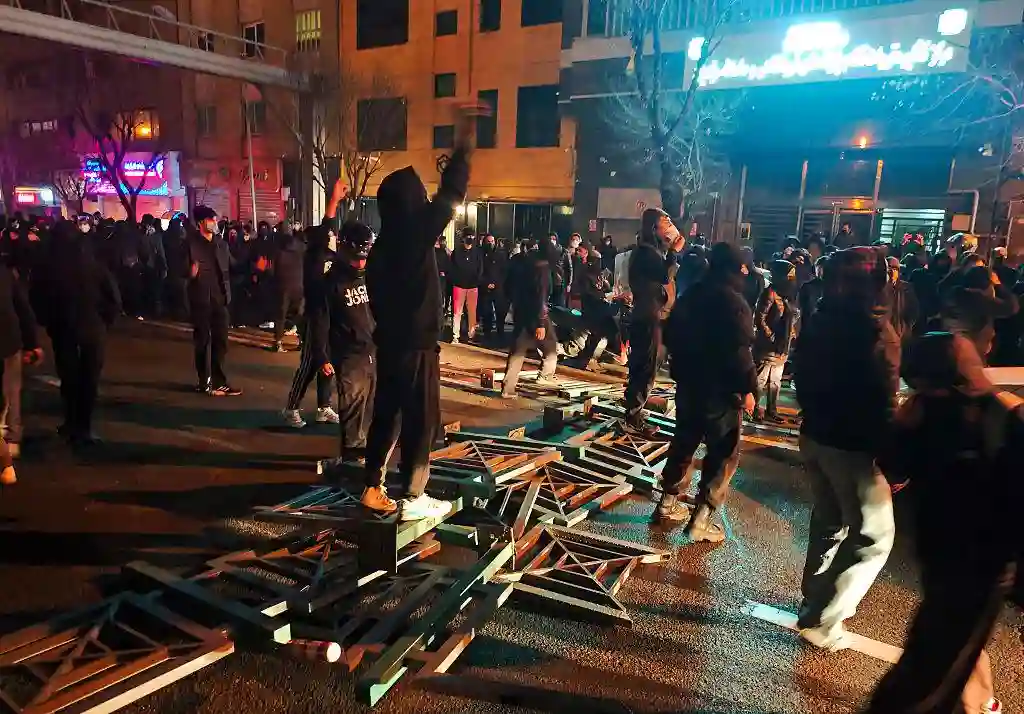
In contrast, regarding certain events in 2024 (1404 SH), reports have circulated about the destruction of public facilities, damage to service centers, and harm to urban infrastructure. This difference in how public assets are handled is one of the key axes of comparison.
The Legal Infrastructure of Economic Warfare
The implementation of such a strategy relies on broad legal frameworks. Laws such as the Trading with the Enemy Act (1917) and the International Emergency Economic Powers Act (1977) have enabled the imposition of extensive financial restrictions. After 2001, sanctioning authorities expanded even further.
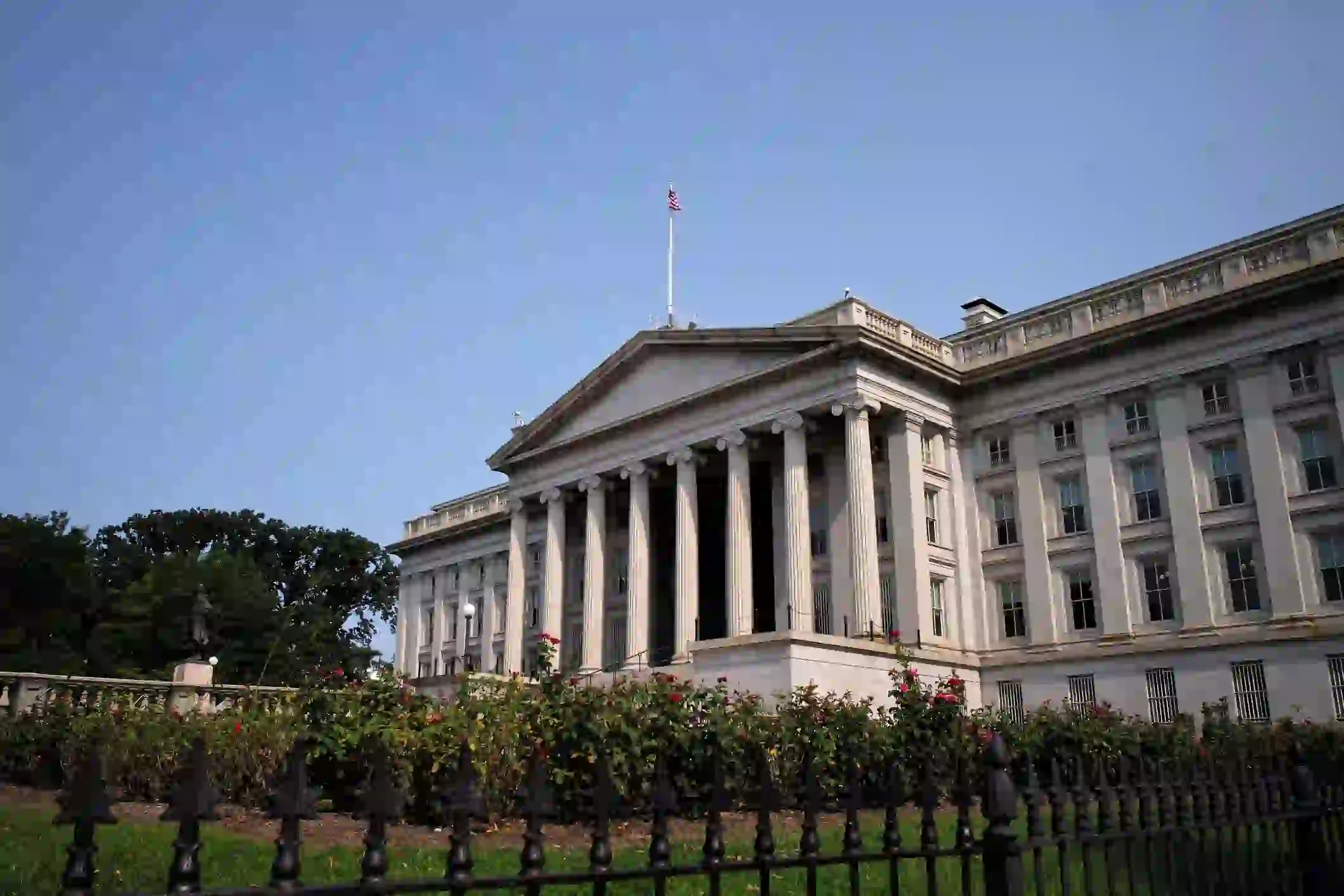
Within this structure, the U.S. Department of the Treasury and the Office of Foreign Assets Control (OFAC) play central roles. Cutting a country’s central bank off from the global financial system can rapidly destabilize its currency and push the nation into a cycle of instability.
Chile: The Early Prototype
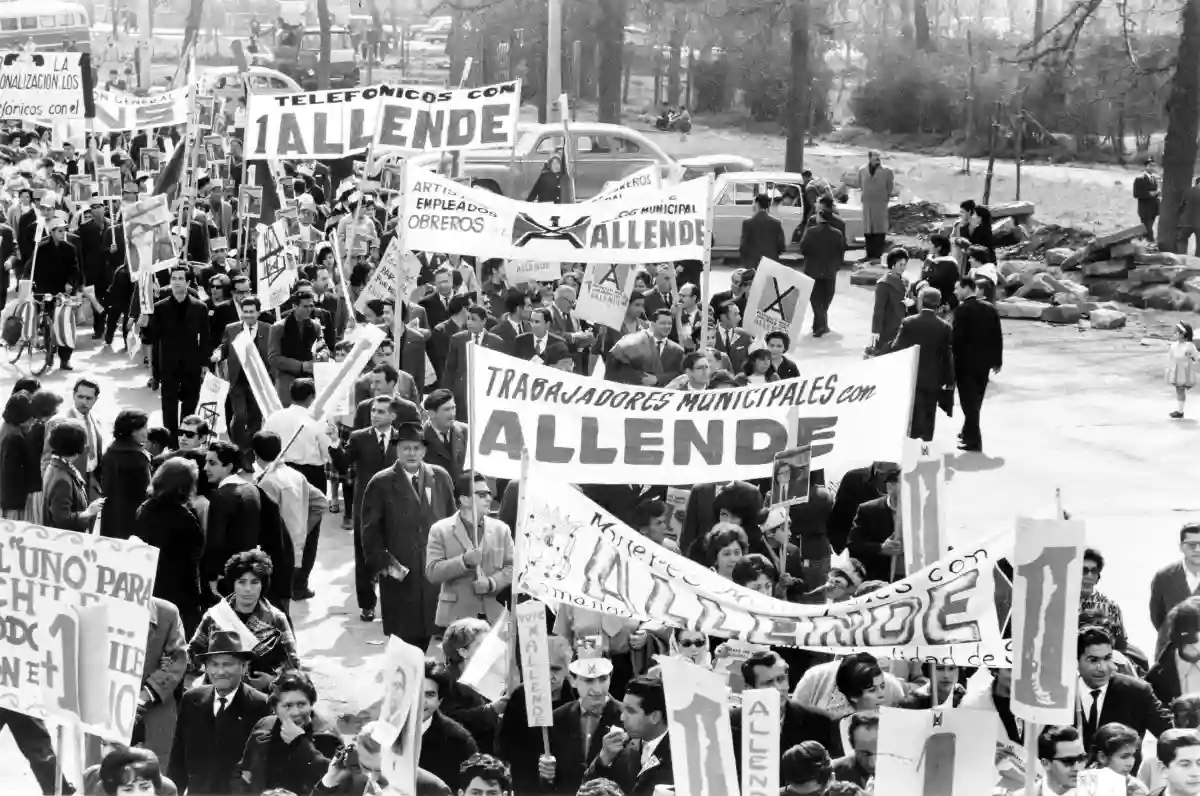
In the early 1970s, Chile became the first prominent example of this pattern’s implementation. With the reduction of international credit, the halt of loans, and capital flight, the economy came under intense pressure. Inflation surged to unprecedented levels within a short period.
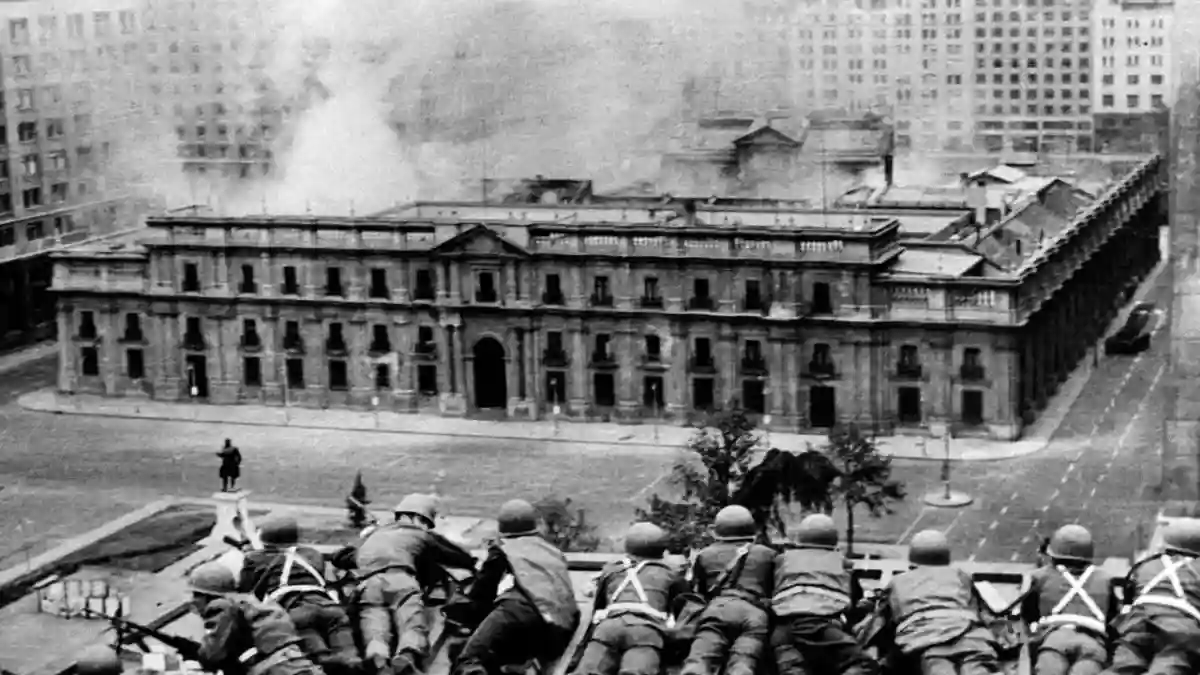
Simultaneously, the political environment grew increasingly volatile. Widespread strikes and the strengthening of opposition media pushed society into deep polarization. Ultimately, a coup took place. However, even after the change in government, the economy did not immediately stabilize, and the country entered a period of repression and structural fragility.
Iraq: From Sanctions to a Security Vacuum
In Iraq, this pattern was implemented on a broader scale. The sanctions of the 1990s exhausted the economy and weakened the national currency. Simultaneously, support for opposition groups and power‑change programs was pursued.
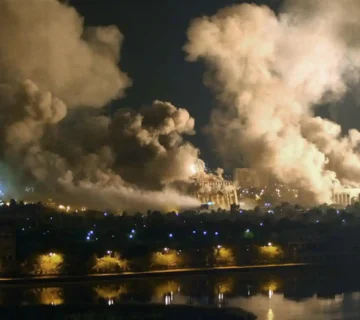
After the 2003 intervention, although the regime changed, the country entered a phase of widespread insecurity. The security structure collapsed, creating conditions for the emergence of extremist groups. Various estimates point to hundreds of thousands of casualties in the years following the intervention. Political change did not result in a rapid return to stability.
Libya: Rapid Collapse, Prolonged Instability
In 2011, Libya became an example of the rapid application of this strategy. The freezing of foreign assets, the cutoff of government financial resources, and the recognition of the Transitional Council occurred almost simultaneously. In the same year, GDP experienced a severe decline.
Following the fall of the government, the country entered a prolonged phase of civil war and institutional fragmentation. The central bank split, and state‑fragility indicators rose sharply. Although a change of power occurred, lasting stability did not emerge.
Venezuela: Exhaustive Pressure Without Regime Change
In Venezuela, sanctions on the state‑owned oil company and restrictions on foreign‑exchange transactions placed the backbone of the economy under severe stress. An unprecedented hyperinflation was recorded in 2019. Simultaneously, the recognition of a parallel government and support for the opposition intensified political pressure.
Despite the extensive pressure, no regime change occurred; however, mass migration, the collapse of the national currency, and the expansion of the informal economy were clear outcomes. In this case, the formula of “poverty – unrest – regime change” did not yield a political result, but it left a heavy human cost.
The Common Pattern Across the Four Cases
A review of these four countries reveals the following:
- Economic warfare began before any decisive action.
- Political destabilization was carried out in parallel.
- Currency and security crises intensified after intervention or attempts at regime change.
In all cases, even when a government was replaced, rapid or sustainable reconstruction did not occur. The countries entered cycles of financial dependency, inflation, and institutional weakness, from which recovery proved slow and costly.
Conclusion: A Focus on Structural Breakdown
This review indicates that the core of the strategy is centered on dismantling existing structures rather than offering a comprehensive plan for reconstruction. Experience shows that economic pressure can generate widespread discontent, but it does not guarantee political change or post‑change stability.
Poverty does not always lead to regime change, but it almost always results in significant human suffering. In many cases, the generated instability persists for years, leaving lasting effects on the economy, security, and social fabric.
Thus, the “pincer strategy” resembles a mechanism for producing chronic instability more than a framework for “building a new order”; instability whose consequences extend beyond short‑term political objectives.
میتونید فایل pdf این مقاله رو دانلود کنید