

Map of Civilian Sites Damaged in Israeli and U.S. Airstrikes
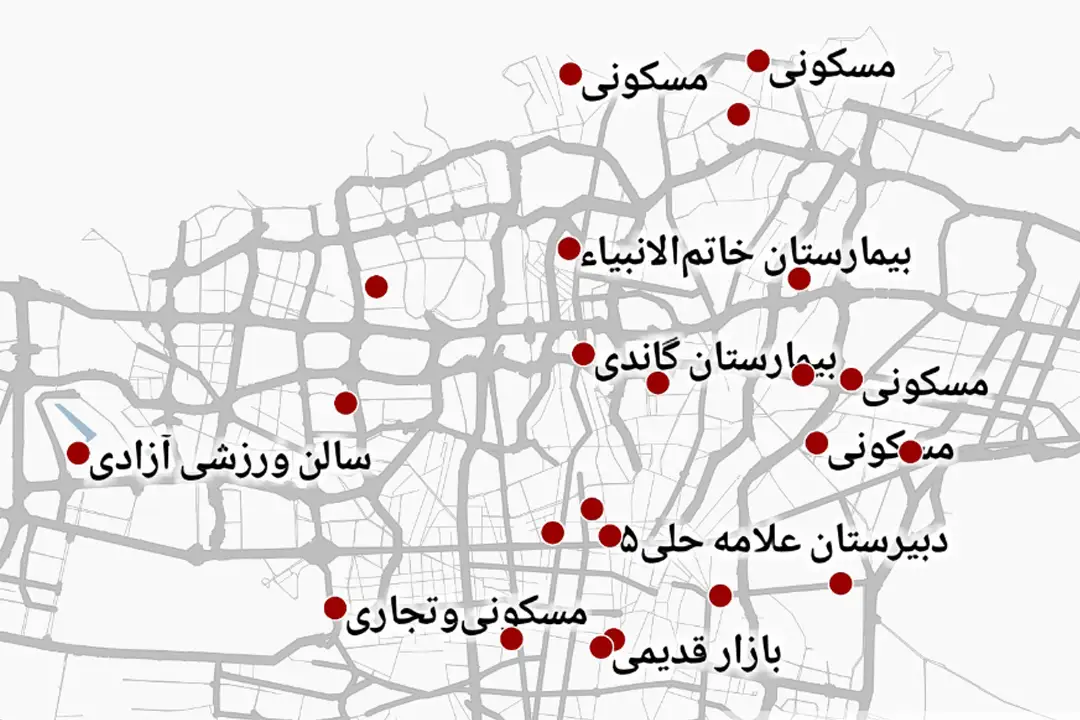
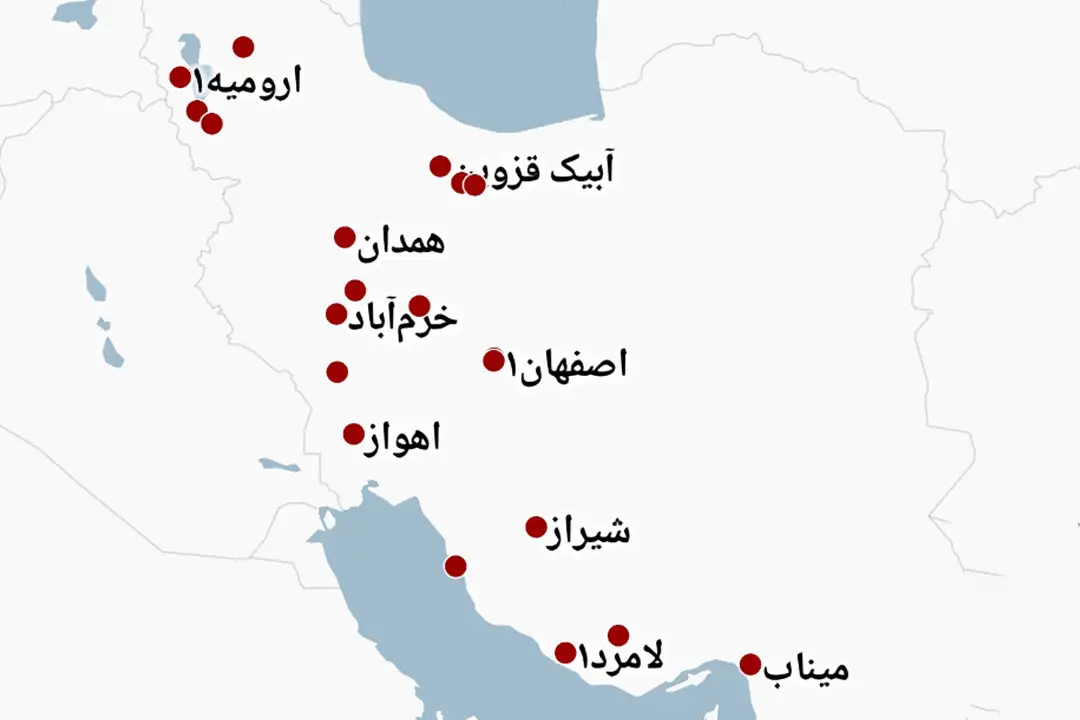
An analytical review has been conducted to identify civilian locations that have been damaged or destroyed in Israeli and U.S. airstrikes on Iran since February 27. The findings are presented in the form of a map that pinpoints the locations of these sites.
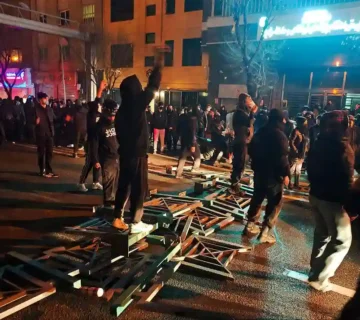
Beyond attacks on medical and educational centers, civilian businesses, and residential homes, the United States and Israel have also targeted police officers, traffic control personnel, and other forces responsible for maintaining public order in cities. These actions indicate an effort to weaken and dismantle the entire urban governance structure. A clear example occurred on January 8–9, 2026 (18–19 Dey 1404), when a series of coordinated attacks targeted both governmental and civilian structures in what can be described as an urban coup. Taken together, these incidents suggest that the United States and Israel operate as terrorist states.
In areas where several damaged locations are situated very close to one another, the map may display only a single red marker representing multiple nearby sites that are not individually visible at the default zoom level.
Due to the high number of affected locations in Tehran, a separate map has been created specifically for the capital.
Official Iranian Statistics on Casualties and Damage to Civilian Facilities
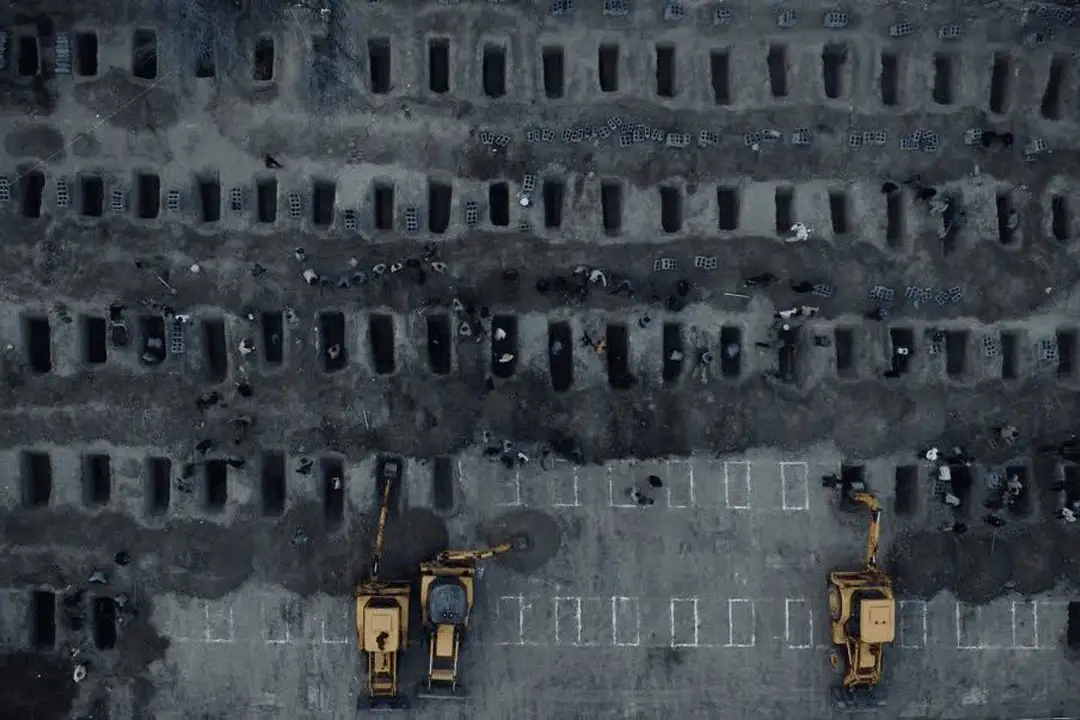
The most recent official figure available, which does not distinguish between military and civilian casualties, was released by the Iranian Red Crescent on March 5. According to this report, 1,332 people had been killed by that date. No updated overall figures have been released since then.
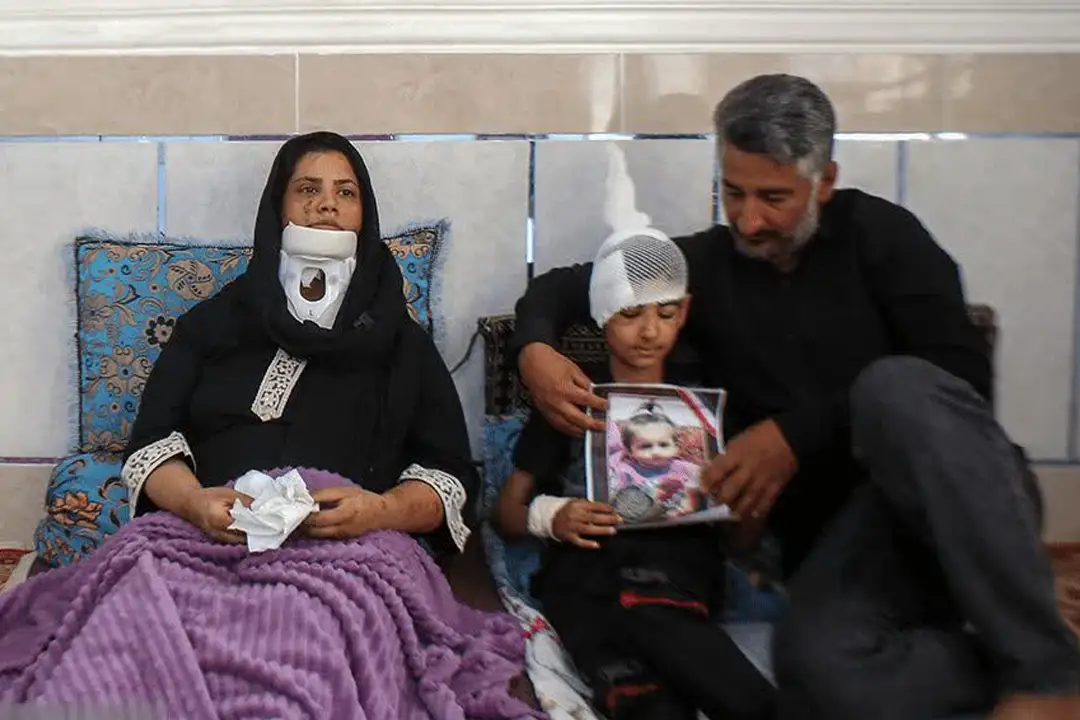
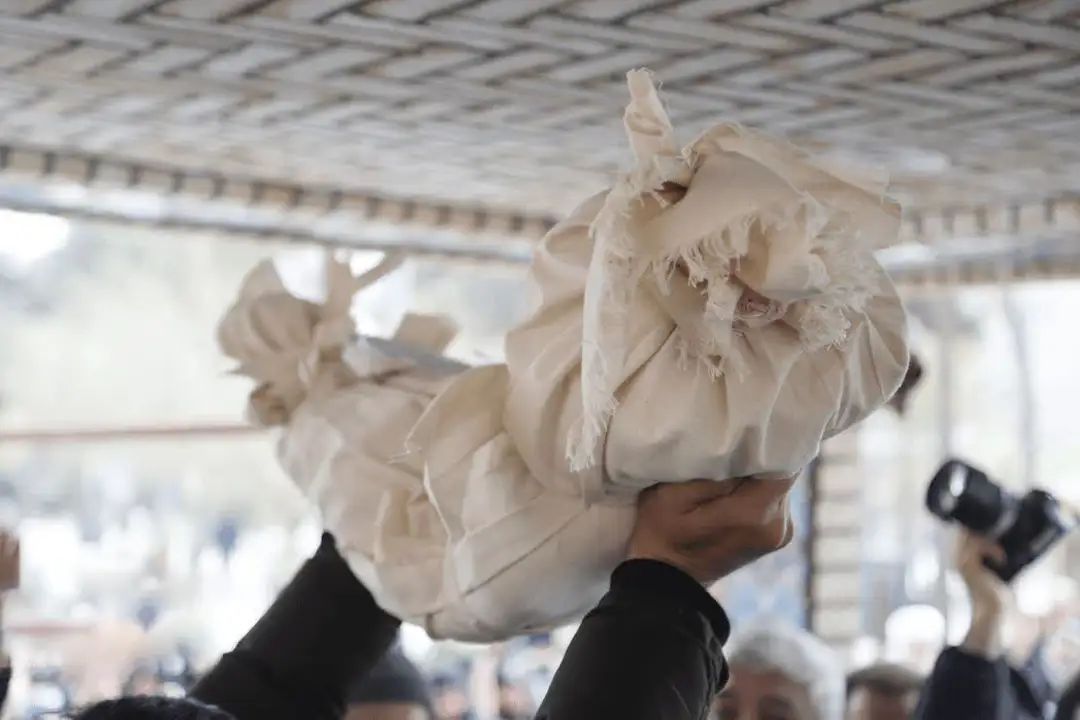
However, on March 14 Iran’s Ministry of Health published separate figures for women and children killed in the attacks. According to the ministry, 223 women—including three who were pregnant—have been killed, along with 202 children, including 12 under the age of five.
On the same day, the Iranian Red Crescent also released data on damage to civilian infrastructure as well as casualties among students, school staff, and medical personnel.
Damaged Residential and Commercial Units
According to the report, a total of 42,914 units have been damaged, including 6,179 commercial properties and 36,489 residential units. Approximately 10,000 of the damaged homes are located in Tehran.
Damage to Medical and Educational Infrastructure
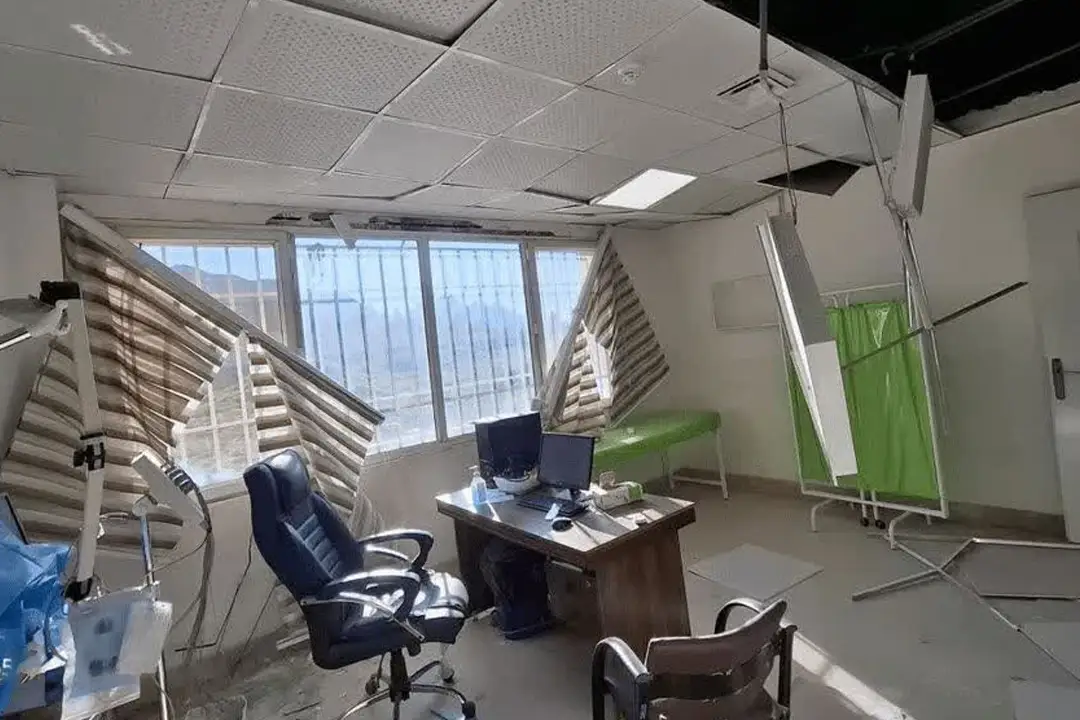
During the airstrikes, 160 pharmaceutical, medical, healthcare, and emergency facilities sustained serious damage. In addition, 120 schools across Iran were affected either directly or indirectly by the attacks, resulting in the deaths of 206 students and school staff members.
Red Crescent Facilities and Personnel
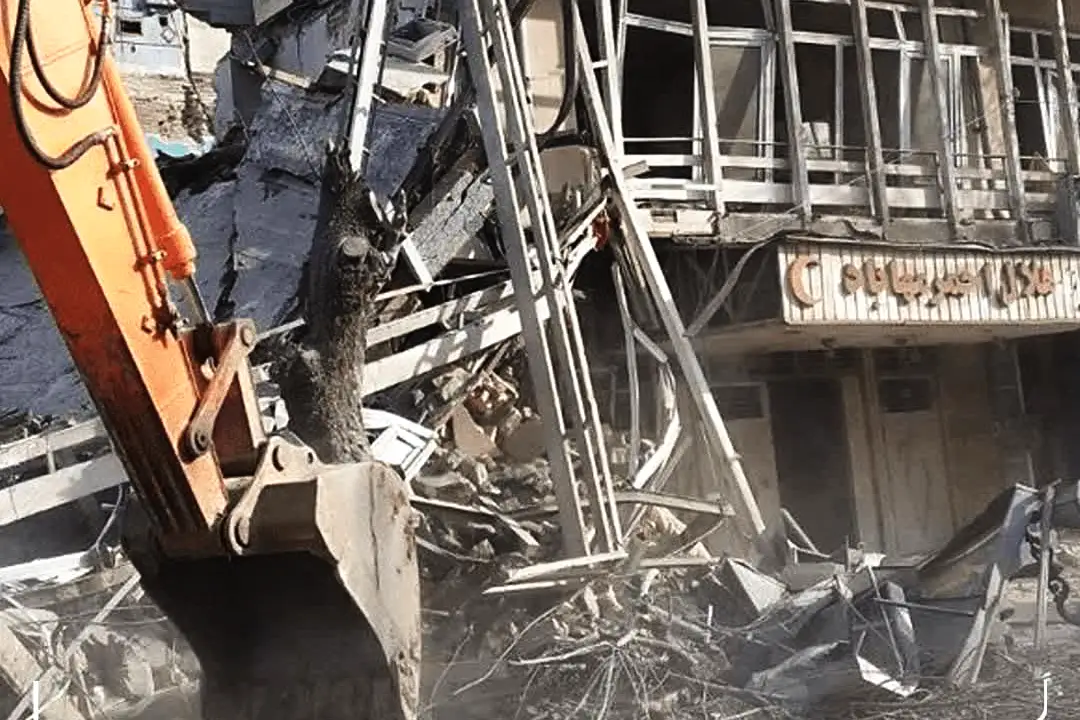
According to the published data, 17 Iranian Red Crescent facilities suffered serious damage. A total of 21 emergency vehicles—19 of them ambulances—were taken out of service.
During rescue and relief operations, 10 Red Crescent aid workers were injured and one aid worker was killed while performing duty.
Medical Personnel Casualties
Reports indicate that so far 16 healthcare and medical workers have been killed in the airstrikes.
What Is Considered a Civilian Site?
Under international humanitarian law—including the 1949 Geneva Conventions and their Additional Protocols—clear rules exist to distinguish between military targets and civilian objects during armed conflict. The fundamental principle governing this distinction is the principle of distinction.
Article 48 of Additional Protocol I to the Geneva Conventions states that parties to a conflict must at all times distinguish between civilian populations and combatants, as well as between civilian objects and military objectives, and must direct military operations only against military targets.
According to Article 52 of the same protocol, a place or object qualifies as a military objective only if it effectively contributes to military action and if its destruction or damage provides a definite military advantage. Military bases, weapons depots, command centers, airports, and infrastructure used for military operations are among the most common examples of military objectives under this definition.
Conversely, anything that does not fall under this definition is presumed to be civilian in nature. This includes homes and residential areas, hospitals, schools, and urban infrastructure—unless they are being used for military purposes.
Article 52 of Additional Protocol I further emphasizes that civilian objects must not be the target of attack or reprisals.
Final Assessment
Available reports and data on extensive damage to residential areas, healthcare facilities, and schools raise serious concerns regarding compliance with the fundamental principles of international humanitarian law by the United States and Israel. Under the Geneva Conventions, parties to a conflict are required to distinguish between military and civilian targets and to avoid harm to civilian infrastructure. However, the scale of documented damage to civilian sites suggests that this principle has been significantly challenged. In such circumstances, international institutions are expected to ensure investigation and accountability. Yet the limited response and the absence of effective mechanisms to address these incidents once again call into question the effectiveness of the international oversight system in times of armed conflict.