

Anatomy of a Conspiracy
Reviewing Allegations of a Comprehensive Plan for the Partition of Iran
This document presents a narrative that connects a range of Western policy statements, think-tank strategies, military interventions, and historical precedents into a single overarching claim: that there exists a long-term plan aimed at fragmenting Iran and reshaping the Middle East through instability and strategic pressure.
The argument draws on public remarks by former officials, declassified or alleged classified documents, and interpretations of U.S. and allied regional strategy. Whether viewed as coordinated grand design or as retrospective pattern-matching, the narrative seeks to demonstrate structural continuity in Western policy from Iraq to Iran.
The “Seven Countries in Five Years” Claim
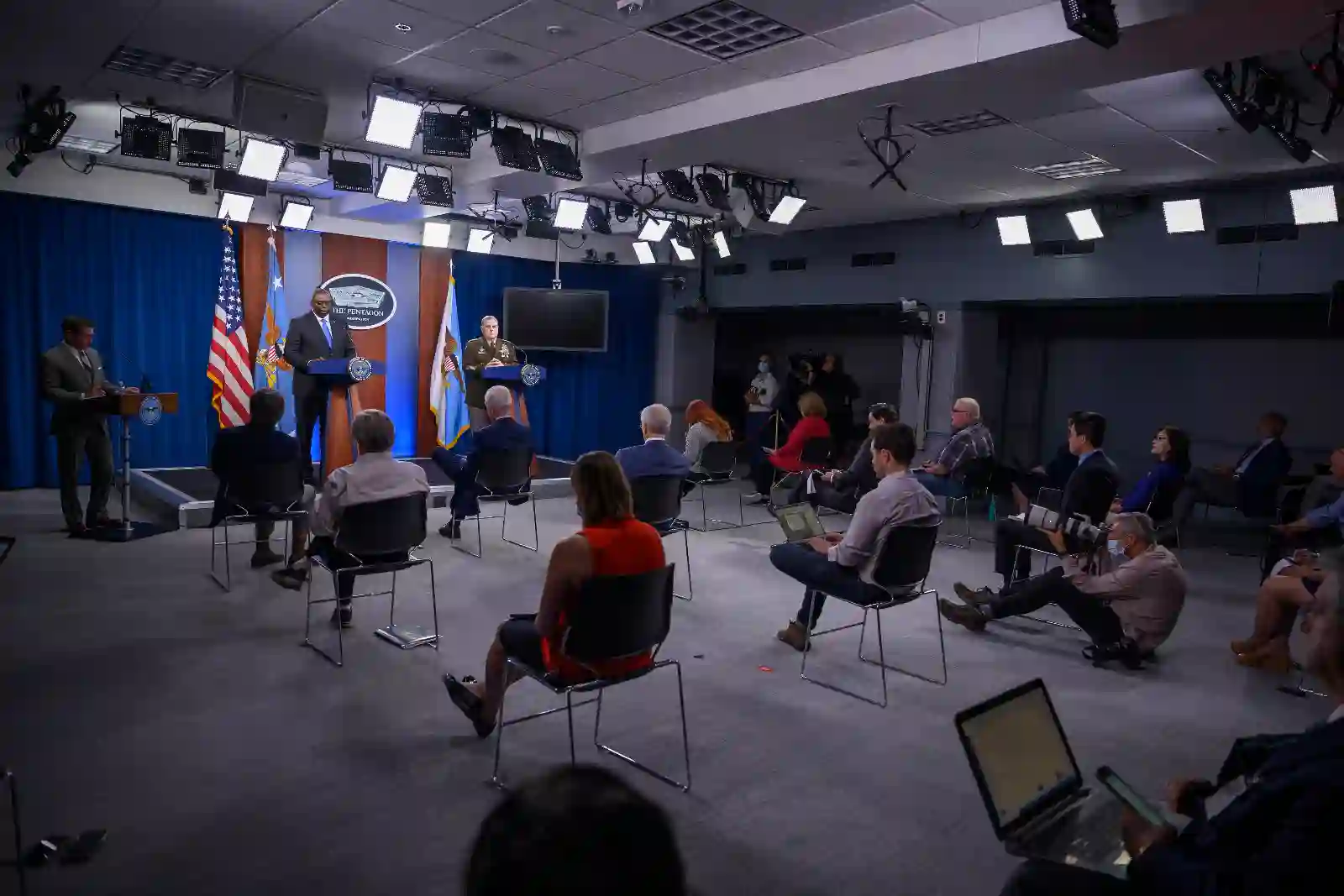
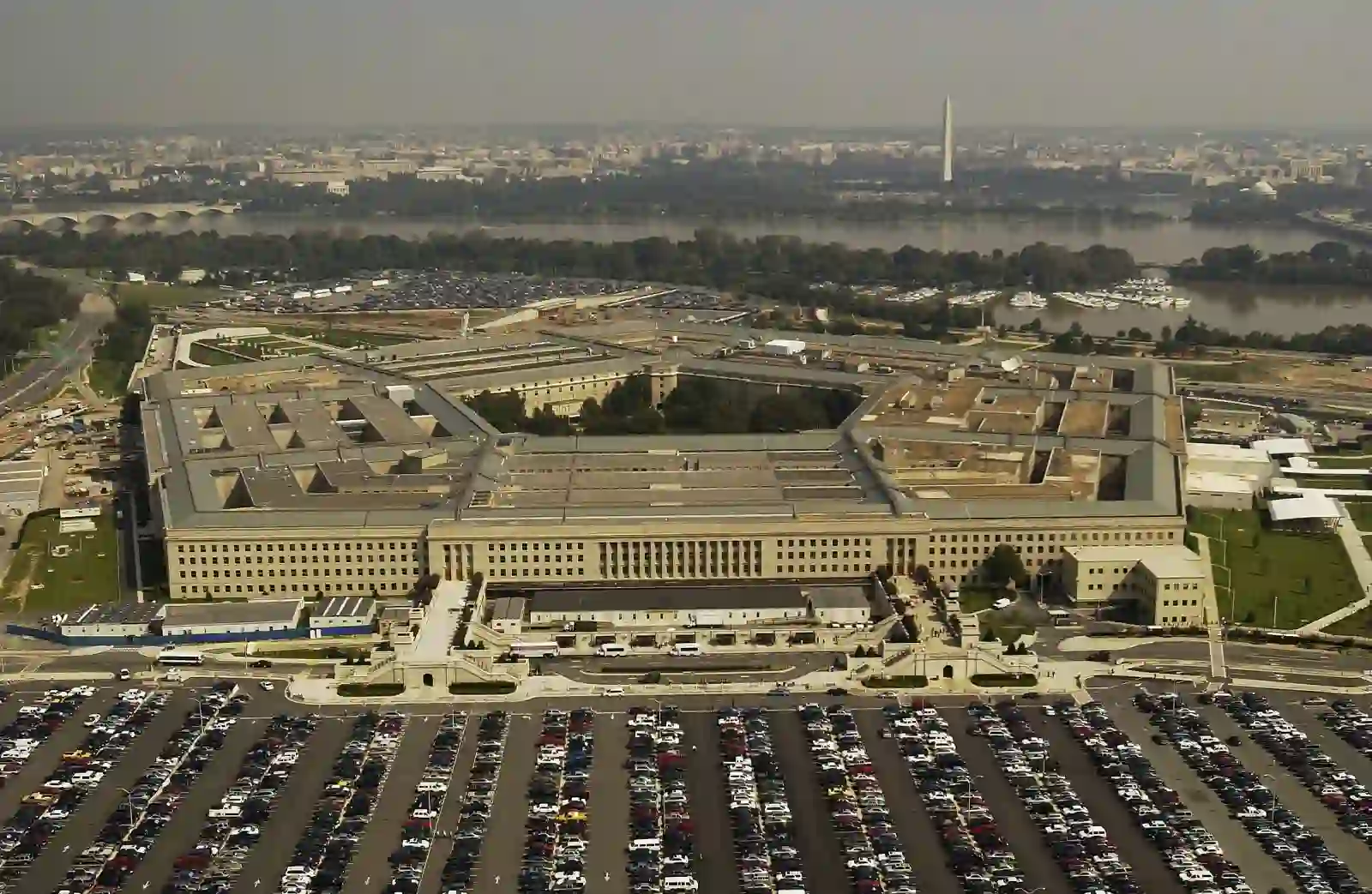
One of the most frequently cited elements in this framework is a statement attributed to General Wesley Clark, former NATO Supreme Allied Commander. He described being shown a Pentagon memo outlining a plan to “take out seven countries in five years,” beginning with Iraq and ending with Iran.
According to this interpretation, the sequence included:
- Iraq
- Syria
- Lebanon
- Libya
- Somalia
- Sudan
- Iran
Within this narrative, Iraq, Libya, and Syria are presented as completed stages of destabilization, while Iran is described as the final active strategic target.
Supporters of this thesis argue that the pattern of interventions, regime change efforts, and destabilizing pressures across these countries reflects a coherent strategic roadmap rather than isolated policy decisions.
Strategic Convergence: “The Day After Baghdad”
Another cited statement, attributed to Ariel Sharon, suggested that pressure on Iran should follow immediately after the fall of Baghdad in 2003.
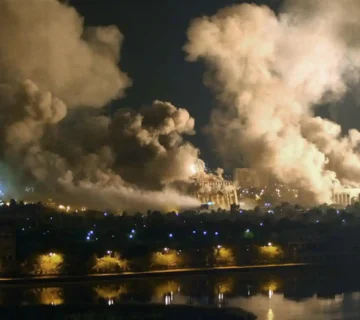
In this framing, the invasion of Iraq was not an endpoint but a pivot point. Once Baghdad fell, Iran’s nuclear facilities and regional influence allegedly became the next focus of coordinated pressure.
The argument advanced here is that the shift was not merely tactical or nuclear-related, but part of a broader strategy of encirclement and containment.
The “New Middle East” Concept
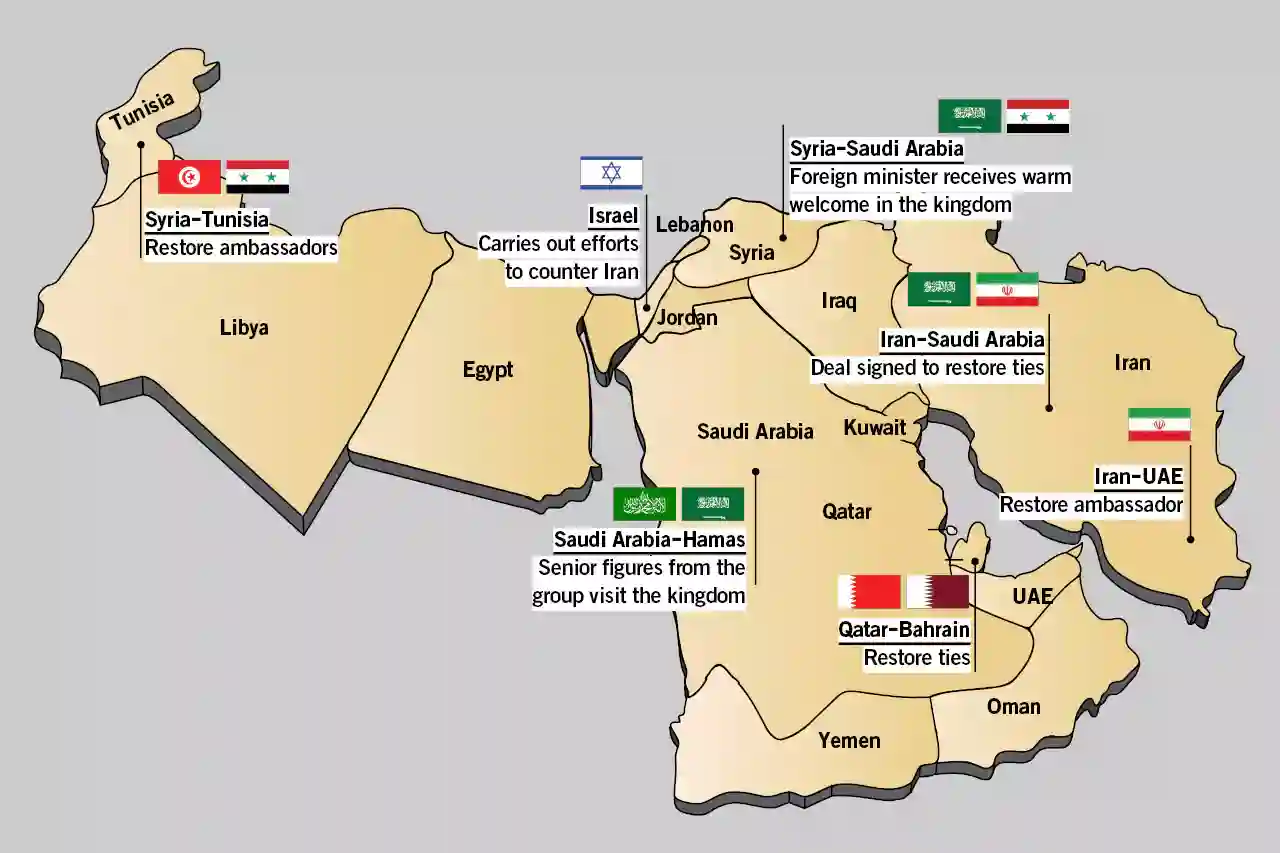
Central to the thesis is the idea of a “New Middle East” — a restructured regional order in which existing nation-states are fragmented into smaller, ethnically or sectarian-based entities.
According to this narrative, certain think tanks proposed redrawing borders to create micro-states. In Iran’s case, border regions would theoretically be transformed into autonomous or ethnically defined units.
The alleged objective would be the transformation of Iran from a centralized nation-state into a loose federation vulnerable to internal discord. Smaller political units, the theory argues, are easier to influence and control than consolidated sovereign states.
Critics of this view, however, note that while border redrawing debates have appeared in policy circles, evidence of an operationalized fragmentation plan targeting Iran remains contested.
Hybrid Warfare: Proxies and Border Instability
Another layer of the argument centers on hybrid warfare tactics.
Allegations include:
- Training of opposition or militant groups near Iranian borders.
- Activation of paramilitary or separatist movements in peripheral regions.
- Information amplification by exiled political figures aligned with external narratives.
These elements are framed as tools for weakening central governance without direct invasion.
While Western governments acknowledge sanction regimes and diplomatic pressure, claims regarding coordinated proxy destabilization remain debated and politically sensitive.
Psychological and Cyber Dimensions
The digital domain is portrayed as a key battleground.
A frequently cited example is a 2009 episode in which the U.S. State Department reportedly requested Twitter to delay scheduled maintenance during Iranian unrest, arguing that the platform had become central to communication among protesters.
In this narrative, cyberspace functions as:
- A psychological warfare arena
- A channel for shaping public opinion
- A multiplier capable of transforming localized protests into nationwide unrest
Supporters of this interpretation describe it as deliberate intervention; others frame it as a broader commitment to digital freedom rather than regime engineering.
Intellectual Origins: “A Clean Break” and PNAC
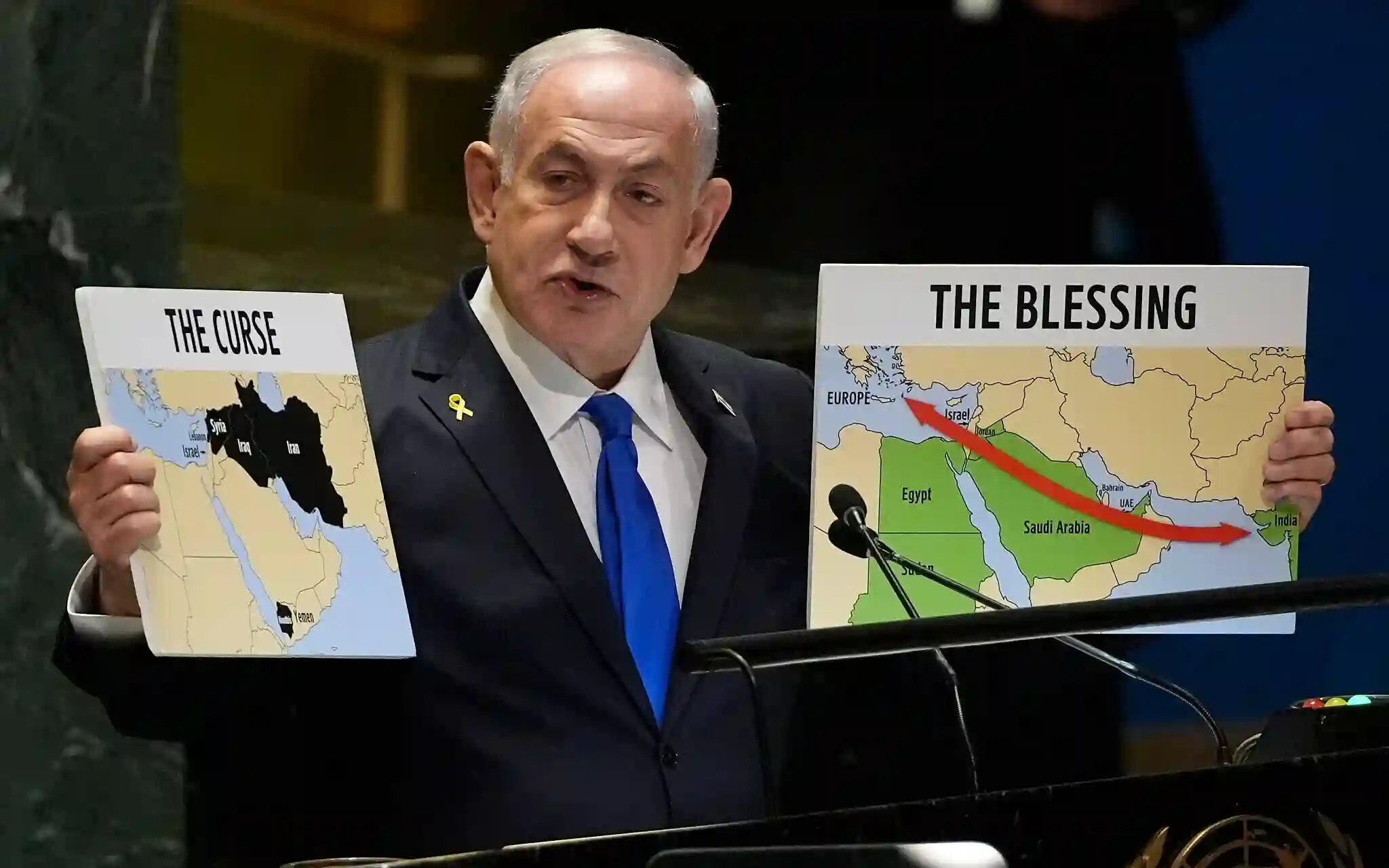
The genealogy of the alleged strategy is traced back to the 1996 policy paper “A Clean Break,” prepared for Israeli Prime Minister Benjamin Netanyahu.
Subsequently, the Project for the New American Century (PNAC) advocated assertive American leadership and regional restructuring following the Cold War.
Within this analytical narrative, these documents are interpreted as intellectual blueprints for redrawing the Middle East’s geopolitical map, prioritizing Israeli security and Western dominance through fragmentation of neighboring states.
However, scholars note that think-tank documents often reflect ideological proposals rather than binding government strategy.
The Syrian Model: From Protest to Fragmentation
The Syrian civil war is frequently presented as a case study. The argument suggests a progression:- Student protests and social activism
- Escalation into armed confrontation
- Emergence of extremist actors such as ISIS
- De facto territorial fragmentation
The $7 Trillion Question
Some analysts cite figures estimating that U.S. interventions in the Middle East since 2001 have cost approximately $7 trillion.
Within the conspiracy framework, the question is posed: if such enormous financial and military investment occurred, was it merely reactive counterterrorism, or part of a broader restructuring agenda?
Critics counter that the high cost itself challenges the notion of a smoothly executed master plan, suggesting instead strategic overreach and unintended consequences.
The 360-Degree Siege Thesis
The concluding strategic image is one of encirclement.
Iran is described as facing pressure from multiple directions:
- Northern geopolitical shifts linked to NATO expansion and Caucasus dynamics
- Western and eastern military presence in neighboring states
- Internal economic pressure through sanctions
- Psychological and media operations
In this portrayal, Iran sits at the center of a combined geopolitical and informational siege.
Disrupting the Chessboard
The alleged final objective is not democratization but fragmentation — transforming Iran into what some analysts describe as an “anthology of hostile tribes.”
According to proponents of this view, awareness of strategies such as “engineering pain” or the “Syrian template” serves as a deterrent against external manipulation.
The recommended countermeasure emphasized in this framework is national unity — preserving social cohesion and internal resilience against division.
Conclusion: Conspiracy, Strategy, or Strategic Narrative?
The “Anatomy of a Conspiracy” thesis assembles historical episodes, policy documents, public statements, and regional conflicts into a single interpretive arc.
Supporters view it as evidence of long-term strategic intent aimed at fragmentation and control.
Skeptics argue that it conflates disparate policies into a unified design without conclusive proof of centralized coordination.
What remains clear is that the Middle East has undergone profound geopolitical transformation since 2003. Whether those transformations reflect deliberate orchestration or the unintended consequences of interventionist policy remains an open analytical question.
Understanding the difference between documented strategy, ideological proposal, and retrospective narrative construction is essential in evaluating such claims.
You can download the PDF file from here